Which Conditions Can Cause a Decreased Anion Gap?
How Is an Anion Gap?
The anion gap is a measure used to assess the balance of electrolytes in the blood. It assists clinicians determine how the body is regulating acids and bases, which is part of overall acid-base balance. The most common form of the calculation uses sodium, chloride, and bicarbonate from a routine blood test.
Although the term sounds technical, the concept is simple. Sodium is the main measured positive ion, while chloride and bicarbonate are key measured negative ions. The gap between them gives a practical snapshot of the blood chemistry. When the value is outside the expected reference range, it can be a clue to an acid-base disorder, a protein issue, or an error in testing.
A low result is rarer than a high one, but it can still carry important clinical significance. Sometimes it reflects an underlying cause such as low serum albumin, kidney disease, or a protein abnormality. Other times it is the result of a one-time abnormal result that should be checked again before drawing conclusions.
How an Anion Gap Calculator Works
An Anion Gap Calculator is a useful tool that uses the anion gap calculation from values from a standard lab report. In its most basic form, it subtracts chloride and bicarbonate from sodium to calculate the gap between measured cations and anions. Some versions also include serum potassium, which can somewhat change the final number.
Because different labs use slightly different methods, the normal range can vary. That is why an Anion Gap Calculator should be used as part of a wider interpretation, not as a stand-alone diagnosis. The result is best understood alongside the rest of the electrolyte panel, the broader blood chemistry, and the patient’s symptoms.
In practice, the calculator can help determine whether the result is truly low or whether the value falls within that lab’s expected range. It can also support early recognition of an acid-base disorder or an unrecognized protein issue. Still, the calculator does not reveal the cause by itself; it only provides a diagnostic clue that may lead to further testing.
When clinicians review the result, they often compare it with serum proteins, kidney function, and other markers from the same sample. That broader review is especially important when the low number appears in a patient with chronic illness, possible toxic exposure, or signs of renal impairment.
What Does a Reduced Anion Gap Suggest?
A reduced anion gap means the measured difference between sodium and the combined chloride and bicarbonate is lower than expected. As a lab result, it may suggest changes in proteins, unmeasured ions, or measurement issues. It does not automatically mean a dangerous condition is present, but it should not be ignored if it is persistent.
One reason this matters is that the value can reflect the body’s acid-base balance. In some cases, the low value is connected to a condition that changes the amount of negatively charged proteins in the blood. In others, it may be caused by substances that interfere with testing or alter the measured electrolytes.
A low value is often interpreted in the context of a blood chemistry panel or a full comprehensive metabolic panel. If the rest of the panel is normal and the person feels well, the finding may have limited immediate importance. If the low value appears with other abnormalities, it may indicate a more meaningful disorder and should prompt a focused diagnostic workup.
In many cases, the first question is whether the result is real. A truly low gap can point to a specific disease process, while a falsely low gap may come from laboratory error. That distinction is essential because the next steps are very different.
Medical Conditions That Can Lead to a Low Anion Gap
Many diseases and conditions can result in a low anion gap. The primary and most significant causes involve lowered serum albumin, changes in immunoglobulins, kidney problems, and certain medications or toxins. In some people, the low value becomes a valuable diagnostic clue that suggests a specific disorder before other findings are obvious.
One major mechanism is hypoalbuminemia, which reduces the amount of negatively charged protein in the blood. Another is the presence of excess positively charged proteins, such as certain paraproteins, which can appear in plasma cell disorders. A low result may also appear with chronic illness, severe electrolyte imbalance, or when the sample is affected by a toxic substance or testing problem.
Low Albumin and Liver Problems
Albumin is one of the most important proteins in the bloodstream, and it carries a negative charge. When albumin drops, the anion gap often falls as well. That is why hypoalbuminemia is one of the leading causes of a low number.
Various disorders can lower albumin levels. Liver disease can lower albumin production because the liver synthesizes this protein. In nephrotic syndrome, albumin is lost through the kidneys. Malnutrition can also reduce protein intake and contribute to low albumin over time.
When albumin is the main issue, the low anion gap is often more of a clue than a disease by itself. The finding may point to hepatic dysfunction, kidney protein loss, or poor nutritional status. Because albumin strongly influences the result, clinicians often use albumin correction to estimate what the gap would be if the albumin were normal.
This calculation is especially useful when the blood chemistry otherwise looks unremarkable. It helps separate a true acid-base problem from a protein-related effect. If albumin is low, the original value may underestimate the real gap and obscure another disorder.
Protein abnormalities & Blood Cancers
Another important cause involves elevated abnormal proteins in the https://anion-gap-calculation.com/special-populations/pediatric.html blood. Multiple myeloma is the classic example. This blood cancer affects plasma cells, which create antibodies. The abnormal proteins, or paraproteins, can change the charge balance in the blood and lower the anion gap.
Monoclonal gammopathy can also lead to this pattern. In monoclonal conditions, one clone of cells makes a large amount of a single type of antibody or related protein. These abnormal immunoglobulins may act as positively charged proteins, which changes the calculation.
Waldenström macroglobulinemia is another disorder in this category. It can raise certain immunoglobulins and create a protein abnormality that shows up on routine labs. A low value may be one of the first signs that something is affecting the serum proteins.
These conditions matter because the low result can be a diagnostic clue to a serious underlying hematologic disorder. When a patient has anemia, bone pain, fatigue, or unexplained kidney issues, a low anion gap deserves closer attention and further follow-up testing.
Renal Disorders and Chronic Illness
Chronic kidney disease can be linked to a low anion gap, especially when it affects protein handling, fluid balance, or overall electrolyte regulation. In advanced cases, renal failure may also affect the way acids and electrolytes are processed, creating a broader metabolic picture.
Kidney disease is more commonly linked with a high gap in certain settings, but a low result can still happen depending on the exact combination of changes. A patient may have an electrolyte imbalance from altered sodium, chloride, or bicarbonate handling, along with shifts in proteins and unmeasured ions.
In chronic illness, the anion gap should be interpreted carefully. A low reading does not diagnose kidney disease on its own, but it may suggest a larger pattern of renal impairment. It is especially useful when considered with creatinine, estimated kidney function, and the rest of the comprehensive metabolic panel.
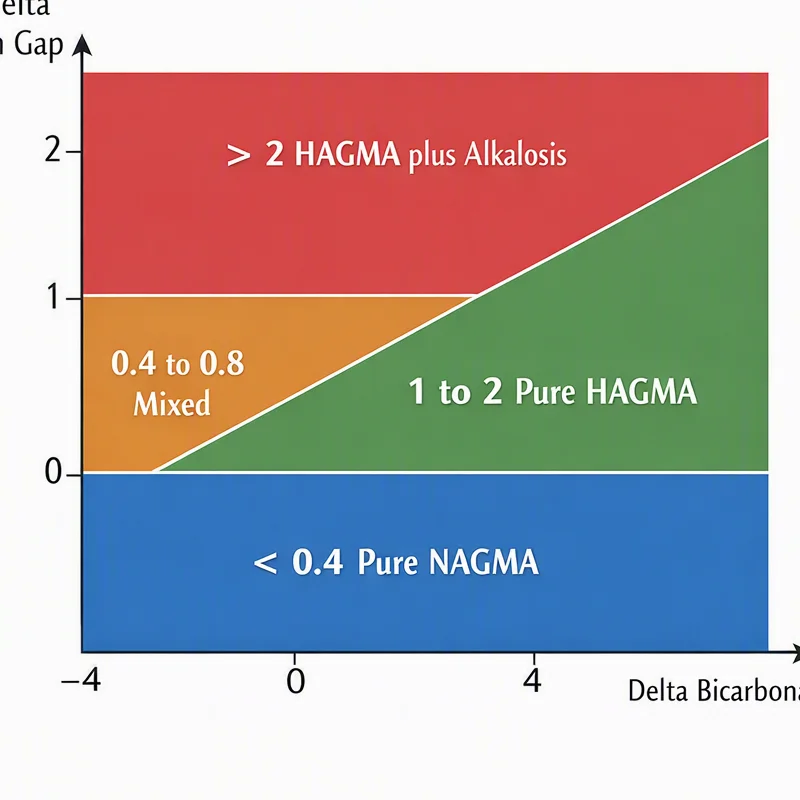
Certain kidney-related acid-base disorders can coexist with metabolic acidosis. If the clinical picture suggests kidney dysfunction, the low gap should prompt review of medicines, hydration status, protein levels, and additional lab changes that might explain the finding.
Medication, Toxin, and Lab Mistake Causes
Not every low results point to disease. Specific substances can lower the anion gap or make it appear low. Lithium is one example. Toxic lithium levels can increase unmeasured cations in the blood and change the balance used in the calculation.
Exposure to bromide is another possibility. Bromide can interfere with some laboratory methods and create a falsely low or misleading result. Likewise, use of salicylates can sometimes affect interpretation, especially when a toxic exposure is involved or when testing methods are affected by interference.
The most common non-disease explanation is lab error. A sample issue, instrument problem, or reporting mismatch can create a false low value. This is why a repeat measurement is often the first step before pursuing an extensive workup.
When the result is unexpected, clinicians think about the context: medication list, exposure history, symptoms, and other values on the blood chemistry panel. If the finding does not fit the rest of the picture, verification matters before labeling it clinically significant.
How Doctors Evaluate a Reduced Anion Gap
Assessment usually opens with a second test. Because a isolated low reading may be due to laboratory error, rechecking the sample is the most sensible first step. If the result remains reduced, the clinician looks more closely at the CMP and related lab tests.
One key step is correcting for albumin. If albumin is reduced, the corrected value may move back into a more normal range. That can reveal whether the abnormality is mainly due to reduced protein levels rather than a separate pH balance issue.
Physicians also review the full clinical picture: kidney function, liver enzymes, total protein, globulin levels, and any signs of toxic exposure. If a protein abnormality is suspected, testing may include serum protein studies to look for monoclonal proteins or abnormal Ig proteins.
The goal of the diagnostic workup is not only to verify the reduced value but also to determine the underlying cause. That may mean checking for liver disease, nephrotic syndrome, chronic kidney disease, blood cancers, or medication-related effects. In many cases, the result is a useful diagnostic clue rather than a final diagnosis.
When to Follow Up On a Low Anion Gap
A low result should be checked further when it is ongoing, not explained, or paired with concerning symptoms. Examples include fatigue, swelling, weight loss, bone pain, confusion, or signs of kidney or liver problems. Even without symptoms, a clearly unusual number can still warrant attention.
The level of concern depends on the entire picture. If the result is only mildly low and everything else is normal, the finding may be not as urgent. If the low value appears with anemia, kidney dysfunction, abnormal proteins, or other changes, it becomes a more significant abnormal lab value.
A primary care clinician is often the best starting point for interpreting the result and deciding what testing is needed next. In some cases, referral to a specialist may be appropriate if the pattern suggests a blood disorder, renal problem, or liver disease. A timely medical evaluation helps prevent a meaningful condition from being overlooked.
It is also important to remember that the low number alone does not make a diagnosis or determine prognosis. The clinical significance depends on the cause. A low albumin level from malnutrition has a different meaning from a low result caused by multiple myeloma, lithium toxicity, or a reporting error.
Frequently Asked Questions About Causes of Low Anion Gap
What conditions lead to a low anion gap?
Conditions that may include hypoalbuminemia, liver disease, nephrotic syndrome, chronic kidney disease, multiple myeloma, monoclonal gammopathy, and Waldenström macroglobulinemia. In addition, some cases are caused by medicine effects, toxin exposure, or laboratory error.
Can low albumin lead to a low anion gap?
Yes. Low serum albumin is among the most common causes of a low anion gap. Because albumin carries a negative charge, reduced levels can lower the calculated value. This is why albumin correction is often part of the interpretation.
Is a low anion gap always serious?
No. A low result is not always serious, and sometimes it reflects an isolated lab issue or a mild change that has little immediate significance. However, if it persists or occurs with other abnormal findings, it may signal an underlying disorder that needs attention.
Does multiple myeloma cause a low anion gap?
Yes, it can. Multiple myeloma can cause a low gap because the abnormal proteins produced by plasma cells may affect the charge balance in the blood. Other related protein disorders, including monoclonal gammopathy and Waldenström macroglobulinemia, can do the same.
What should I do if my anion gap is low?
First discuss the result with a primary care clinician. A repeat test may be needed, along with review of your comprehensive metabolic panel, albumin level, and other blood tests. Depending on your situation, the next step may include follow-up testing for kidney disease, liver disease, protein abnormalities, or a toxic exposure.